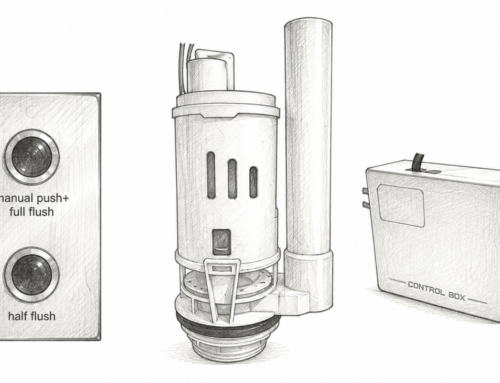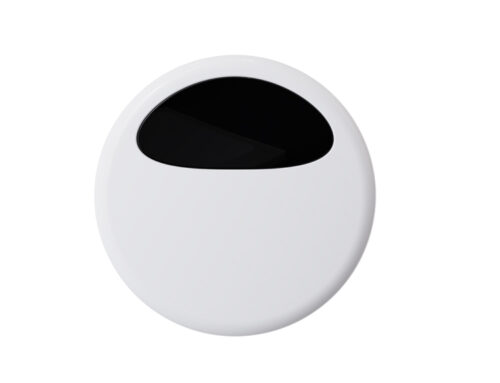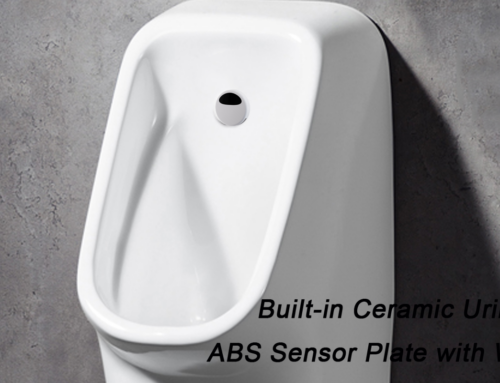
When evaluating restroom upgrades, many decision-makers focus only on upfront costs. However, the true expense lies in the total cost of ownership (TCO)—including installation, maintenance, resource usage, and operational efficiency. Comparing manual fixtures with sensor-based restroom systems reveals clear long-term advantages.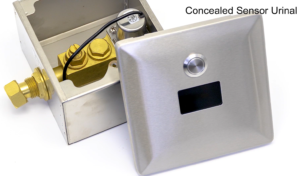
Initial investment
Manual systems usually have lower purchase costs. However, sensor-based systems have become more affordable and now offer strong returns over time through reduced operating expenses.
 Water and consumable costs
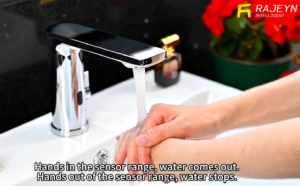
Manual faucets and flush systems often waste water due to misuse or being left running. In contrast, sensor systems activate only when needed and shut off automatically, significantly reducing water and soap consumption. Over years of operation, these savings are substantial.
Maintenance and labor
Manual fixtures experience higher wear and tear because of constant physical contact. This leads to frequent repairs and replacements. Sensor-based systems reduce mechanical stress and often feature modular designs, making maintenance faster and more predictable.
User experience and hygiene
Poor hygiene leads to complaints, reputational risk, and even higher cleaning costs. Touchless operation improves cleanliness, reduces cross-contamination, and creates a better experience for users in commercial and public facilities.
Long-term value
While sensor-based systems may cost more initially, they typically deliver lower TCO through efficiency, durability, and sustainability benefits. For high-traffic environments, the return on investment becomes visible within a short period.
As a professional sensor system supplier, we help clients select solutions that balance performance, budget, and long-term operational goals.
Want to reduce your long-term restroom costs? Contact us today to compare manual and sensor-based solutions tailored to your facility.